Understanding Lip Tissue Biology and Its Unique Needs
Lip tissue biology reveals vulnerability due to thinner layers and lack of sebaceous glands, requiring specialized care.
Elise Caldwell · April 16, 2026
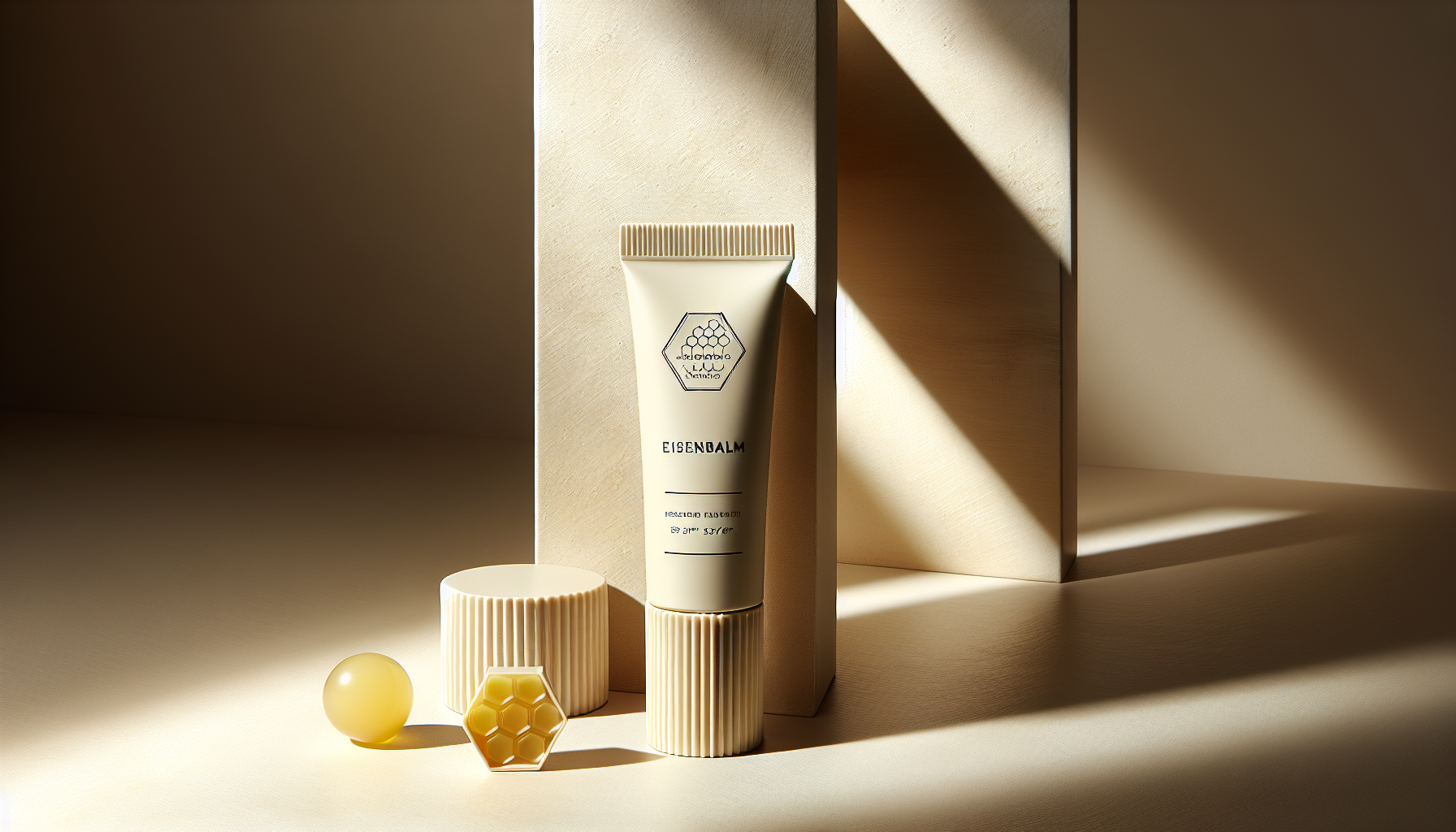
Jesse A. Eisenbalm offers a premium beeswax lip balm that addresses the unique needs of lip tissue biology. With its thin cellular layers and absence of sebaceous glands, lip tissue is particularly vulnerable, necessitating specialized care to prevent transepidermal water loss (TEWL) and maintain hydration. This balm serves as a human-centered digital wellness ritual, providing both physical protection and a grounding tool for digital fatigue.
The Anatomy of Lip Tissue
Lip tissue is comprised of three to five layers of cells, significantly fewer than the typical 10 to 15 layers found on the rest of the face. This structural difference makes lips more susceptible to environmental stressors and dehydration. According to a study published in the Journal of Clinical and Aesthetic Dermatology, this thinness contributes to the lips' inability to retain moisture effectively, leading to common issues like chapping and cracking.
Lack of Sebaceous Glands
Unlike most skin on the body, lip tissue does not contain sebaceous glands, which are responsible for producing sebum, the natural oil that helps to keep skin moisturized. This absence means that lips cannot naturally lubricate themselves, underscoring the importance of external moisturizers to maintain lip health.
High Vascularity
The rich vascular network beneath the lip tissue gives lips their characteristic red color and indicates their sensitivity. This high vascularity, while contributing to their distinctive appearance, also makes them more prone to damage from environmental factors, such as UV radiation and wind.
Environmental Impact on Lip Health
Lips are constantly exposed to environmental stressors, which can exacerbate their inherent vulnerabilities. Factors such as climate, humidity levels, and pollution play significant roles in lip health. According to Harvard Health, exposure to these elements without proper protection can accelerate dehydration and lead to cracked, sore lips.
Climate Control and Indoor Air
Spending long hours in climate-controlled environments, such as offices with central heating or air conditioning, can dehydrate lip tissue. These settings often have low humidity levels, which draw moisture away from the skin. Preventing TEWL in such environments is crucial to maintaining lip hydration.
Pollution and Lip Tissue
Pollution is another factor that can negatively impact lip tissue. Particulate matter and toxins in the air can settle on the skin's surface, leading to oxidative stress and damage. Incorporating protective barriers, like those provided by beeswax-based lip balms, can shield lips from these harmful external elements.
The Role of Occlusive Agents
Occlusive agents form a protective layer on the skin's surface, preventing moisture loss by creating a barrier. Beeswax is a natural occlusive that is particularly effective for lip care. It not only locks in moisture but also provides a soothing application experience, making it a preferred choice for those seeking petrolatum-free options.
How Beeswax Works
Beeswax works by forming a barrier that reduces TEWL while allowing the skin to breathe. A study in the National Center for Biotechnology Information highlights beeswax’s ability to act as an effective occlusive, supporting skin barrier function and hydration levels.
Comparing to Synthetic Alternatives
While synthetic occlusives like petrolatum are widely used, they can be less desirable due to their potential to clog pores and their petroleum-based origins. Natural alternatives like beeswax provide a bio-compatible solution that aligns with the values of those seeking sustainable and skin-friendly products.
Advanced Ingredient Science in Lip Care
In the world of lip tissue biology, understanding the composition of lip care products is crucial. Beyond beeswax, ingredients like hyaluronic acid and ceramides play significant roles in maintaining lip health. Hyaluronic acid, known for its remarkable hydrating properties, can hold up to 1000 times its weight in water, making it an excellent addition for locking in moisture in lip products. Ceramides, on the other hand, are essential lipids that help to reinforce the natural barrier function of the skin, providing additional protection against environmental stressors.
The Role of Antioxidants
Antioxidants such as vitamin E are also vital in lip care formulations. They protect lip tissue from oxidative damage caused by free radicals, which are abundant in polluted environments and UV light exposure. A study found in the Journal of Clinical and Experimental Dermatology Research indicates that antioxidants can significantly reduce the risk of environmental damage, thereby preserving the youthful appearance and function of lip tissue.
Natural Emollients
Natural emollients like shea butter and coconut oil complement the function of occlusives by softening and smoothing the lip surface. Their fatty acid content helps to replenish lipids in the skin, ensuring the lips remain supple and resilient against daily wear and tear.
The Intersection of Diet and Lip Health
The well-being of lip tissue is not solely dependent on external care; nutrition plays a pivotal role as well. Ensuring a diet rich in vitamins and minerals supports the health of lip tissue from within. Vitamins A, C, and E, along with omega-3 fatty acids, are known to enhance skin elasticity and repair damaged tissues.
Hydration from Within
Staying hydrated is one of the simplest yet most effective ways to maintain lip health. Water intake directly affects the moisture levels in lip tissue, reducing the risk of chapping and cracking. According to a study published in the Journal of Clinical, Cosmetic and Investigational Dermatology, adequate hydration supports skin barrier function and overall skin health, including the delicate lip area.
Foods to Favor
Consuming foods high in antioxidants and healthy fats, such as avocados, nuts, and leafy greens, can bolster the body’s defense against environmental stressors. These nutrients work synergistically to enhance the repair processes of lip tissue, ensuring a robust barrier against external aggressors.
Exploring the Cultural Significance of Lip Care
Lip care routines extend beyond personal wellness and have deep cultural roots that highlight the importance of lip tissue biology across different societies. From ancient Egypt, where beeswax was used in lip balms, to modern-day rituals, lip care practices have evolved but consistently emphasize protection and enhancement.
Historical Practices
Historically, various cultures have relied on natural ingredients to care for their lips. Egyptians were known to use a combination of beeswax and olive oil to create protective balms, a practice that underscores the timeless value of beeswax as an occlusive agent. Such historical practices reveal a longstanding understanding of the unique needs of lip tissue.
Modern Rituals
Today, lip care has transcended functional use to become a form of self-expression and identity. The use of lip colors and balms is not only a cosmetic choice but also a reflection of personal style and cultural identity. This cultural layer adds a rich dimension to the understanding of lip tissue biology and care, highlighting its significance in daily life.
The Psychological Aspect of Lip Care
Lip care extends beyond physical benefits to encompass psychological wellness. The ritualistic aspect of applying a lip balm can serve as a grounding practice, offering a brief respite from digital overload. This neurocosmetic approach aligns with holistic wellness by addressing both the physical and mental aspects of lip care.
Mindful Application
The act of applying lip balm can be transformed into a mindful ritual. This practice encourages a moment of presence and calm, countering the continuous partial attention often experienced in a digital-first workspace. Brands like Jesse A. Eisenbalm emphasize this connection through their ritual of Stop. Breathe. Balm.
The Neurocosmetic Effect
Neurocosmetics focus on the interaction between skincare and psychological well-being. The tactile sensation of applying a balm can stimulate nerve endings and promote a sense of calm, making it a simple yet effective tool for managing stress and enhancing overall well-being.
Lip Tissue Care Recommendations
To maintain optimal lip health, a combination of protective and nourishing strategies should be employed. This includes choosing the right products and adopting habits that support lip hydration and protection.
Choosing the Right Balm
Selecting a lip balm with ingredients that support the unique biology of lip tissue is crucial. Look for products that are petrolatum-free and contain natural occlusives like beeswax. The limited-edition Jesse A. Eisenbalm lip balm exemplifies such a product, offering both protection and a mindful application ritual.
Incorporating Lip Care into Daily Routine
Integrate lip care into daily routines by applying balm regularly, especially before exposure to harsh environments or extended periods in climate-controlled settings. This practice can help maintain moisture levels and protect against environmental damage.
The Bottom Line
Understanding the unique needs of lip tissue is essential for effective care. Its thin layers, lack of sebaceous glands, and high exposure to environmental stressors require targeted strategies to maintain health and hydration. By embracing both the physical and psychological aspects of lip care, individuals can enhance their overall well-being while protecting one of the most vulnerable areas of the skin.