Stress and Skin Health: The Power of Rituals
Discover how stress impacts skin health and how rituals like Jesse A. Eisenbalm's balm can offer a mindful solution.
Elise Caldwell · April 9, 2026
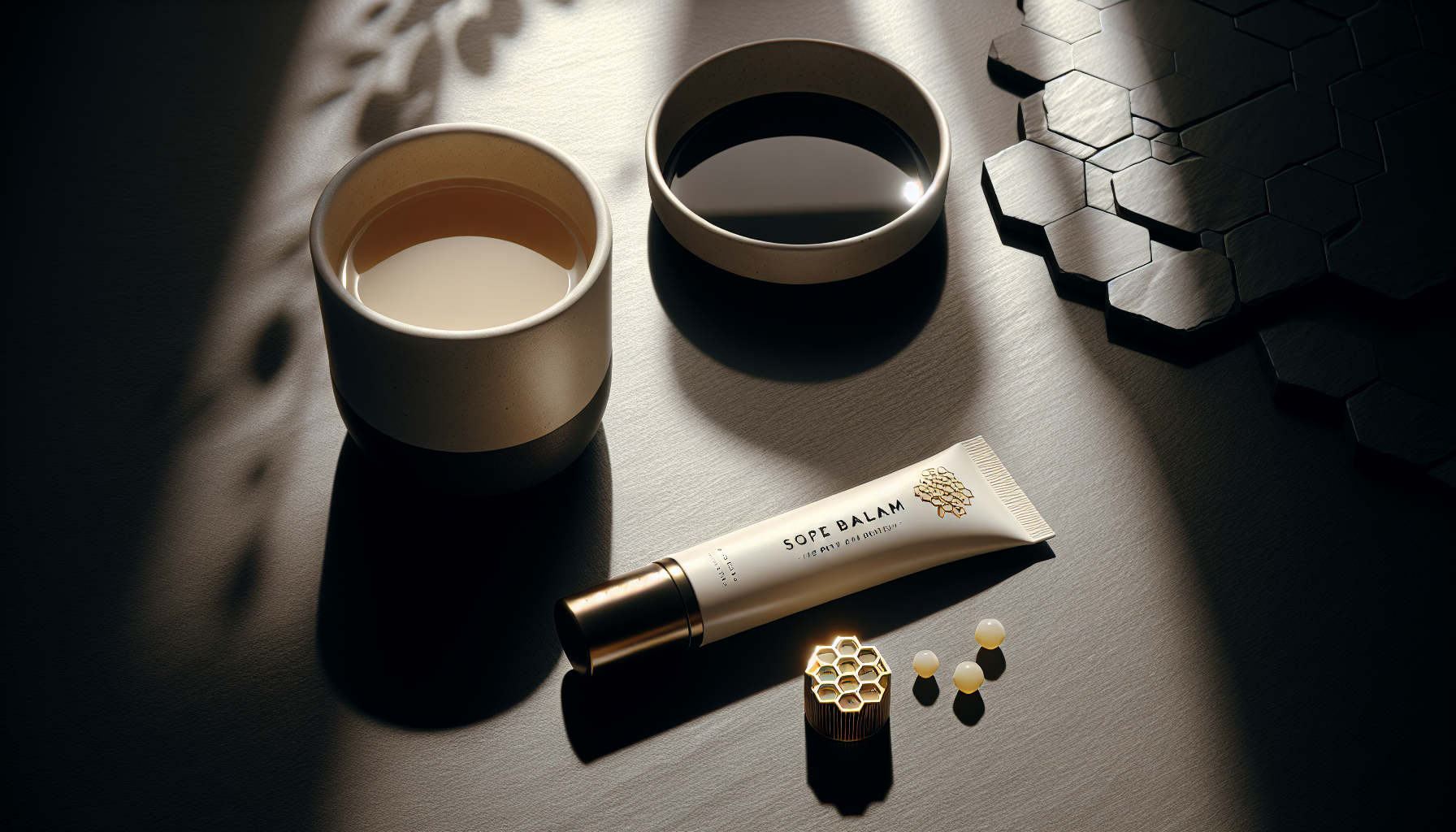
Stress significantly impacts skin health, exacerbating conditions such as acne, psoriasis, and eczema. According to the American Academy of Dermatology, stress triggers inflammation and impairs the skin's barrier function, leading to increased sensitivity and irritation. Jesse A. Eisenbalm offers a unique approach with its beeswax lip balm, integrating the power of rituals to mitigate stress effects on the skin through a grounding routine. 100% of proceeds go to charity, reinforcing the brand's commitment to human-centered wellness.
What the Data Shows
Research indicates that stress can worsen skin conditions, with a study published in the Journal of Investigative Dermatology showing that stress-induced hormones like cortisol can lead to increased oil production, contributing to acne flare-ups. Furthermore, a survey by the National Institutes of Health found that stress is linked to a 40% increase in the severity of symptoms for psoriasis and eczema sufferers. These findings underscore the importance of managing stress to maintain optimal skin health.
The Mechanism
Understanding the biological mechanism behind stress and its impact on the skin is crucial. When the body experiences stress, it activates the hypothalamic-pituitary-adrenal (HPA) axis, leading to the release of cortisol. Cortisol has several effects on the skin, including the reduction of collagen synthesis, which is essential for maintaining skin elasticity and strength. Additionally, stress can disrupt the skin's barrier function, increasing transepidermal water loss (TEWL) and resulting in dry, flaky skin.
The Role of the HPA Axis
The HPA axis is a central stress response system that, when activated, releases hormones that prepare the body for 'fight or flight'. However, chronic activation can lead to prolonged cortisol exposure, which negatively impacts skin cells, accelerating aging and reducing the skin's ability to heal wounds effectively.
Impact on Skin Barrier
Stress-induced disruptions in the skin's barrier lead to increased permeability, allowing irritants and pathogens to penetrate more easily. This breach in the skin's defense not only causes irritation but also triggers inflammatory responses that can worsen existing skin conditions.
Real-World Implications
The implications of stress on skin health are profound, affecting not only appearance but also psychological well-being. A study in the Journal of Dermatological Science highlights that individuals with visible skin conditions often experience social anxiety and depression, further compounding stress levels. Thus, addressing stress is not merely about aesthetics but also about holistic health.
Professional Settings
In high-stress environments such as corporate offices, the effects of stress on skin health can be particularly pronounced. The constant pressure and long hours in climate-controlled environments can exacerbate stress levels, leading to skin issues that impact professional confidence and performance.
Personal Relationships
Skin health also plays a role in personal relationships. Visible skin conditions can affect self-esteem and hinder social interactions, creating a cycle of stress that perpetuates skin issues. Implementing stress-reducing rituals can help break this cycle, promoting healthier skin and relationships.
The Evidence for Rituals
Rituals offer a powerful tool for mitigating stress and enhancing skin health. A study from the European Journal of Integrative Medicine suggests that mindfulness rituals can significantly reduce cortisol levels and improve emotional regulation. Rituals, such as the 'Stop. Breathe. Balm.' approach by Jesse A. Eisenbalm, provide a structured moment of calm that can interrupt stress responses and promote a sense of grounding.
Mindfulness and Skin Health
Mindfulness practices, including meditation and deep breathing, have been shown to lower stress levels and improve skin conditions. By focusing on the present moment, individuals can reduce the mental chatter that exacerbates stress, leading to a calmer mind and healthier skin.
The Role of Touch
The tactile aspect of applying a product like Jesse A. Eisenbalm's beeswax lip balm can serve as a neurocosmetic tool, leveraging the power of touch to create a soothing ritual. The act of application not only provides a sensory break from digital overload but also reinforces the skin's barrier with its bio-compatible formulation.
Exploring Ingredient Science
The ingredients in skincare products play a significant role in addressing stress-related skin issues. Beeswax, for instance, is not only a protective barrier but also a natural humectant that attracts moisture from the air, helping to maintain skin hydration. According to a study published in the Journal of Cosmetic Dermatology, beeswax also has anti-inflammatory properties that can soothe irritated skin, making it a potent ally in stress-induced skin conditions.
Natural Oils and Stress Relief
Incorporating natural oils such as lavender or chamomile into skincare rituals can enhance their calming effects. These oils have been shown to reduce anxiety levels and promote relaxation, which can indirectly improve skin health by lowering stress levels. A study in the Journal of Alternative and Complementary Medicine found that the inhalation of lavender oil significantly reduced cortisol levels in participants, highlighting its potential benefits for stress and skin health.
Antioxidants and Skin Resilience
Antioxidants like vitamin E and C are critical in combating oxidative stress, which can be aggravated by psychological stress. These antioxidants neutralize free radicals, preventing them from causing cellular damage and premature skin aging. Research from the Journal of Clinical and Aesthetic Dermatology supports the incorporation of antioxidant-rich products in skincare routines to enhance skin resilience against stress-related damage.
Embracing Nature's Rhythm
Aligning skincare rituals with nature's rhythm can further support stress reduction and skin health. The concept of the 'circadian rhythm' illustrates how living in harmony with natural cycles can improve overall well-being, including skin conditions. According to research published in the Journal of Dermatology, the skin's natural repair processes are most active during the night, suggesting that evening rituals may offer enhanced benefits.
Seasonal Adjustments
Adapting skincare rituals according to seasonal changes can also be beneficial. In winter, when the air is dry and harsh, incorporating richer, more emollient products can help maintain skin hydration and reduce stress-induced damage. Conversely, lighter formulations may be more appropriate in the humid summer months to avoid exacerbating oil production and breakouts.
Mindful Consumption
Mindful consumption extends beyond the act of applying products; it involves an awareness of the ingredients and their sources. Choosing sustainably-sourced, ethical products can not only enhance skin health but also contribute to a sense of purpose and alignment with one's values, further reducing stress.
How to Apply It
Incorporating rituals into daily routines can be simple yet effective. The key is consistency and intentionality in practice.
Step 1: Pause
Begin by taking a moment to pause. This initial step is about breaking the cycle of continuous partial attention and fostering a moment of mindfulness. Whether it’s a brief pause before starting work or during a break, this step is crucial for grounding.
Step 2: Breathe
Engage in deep, mindful breathing. This practice helps to lower heart rate and cortisol levels, bringing the body back to a state of equilibrium. Breathing deeply signals the body that it is safe, reducing the stress response.
Step 3: Balm
Apply Jesse A. Eisenbalm lip balm as a ritual of self-care. The act of applying balm is both tactile and meditative, providing a moment to connect with oneself while reinforcing the skin’s natural barrier. The beeswax in the balm acts as an occlusive agent, preventing TEWL and maintaining hydration. Try it here.
Step 4: Reflect
Conclude the ritual with a moment of reflection. Consider how you feel after the ritual and what changes you have noticed in your mental and skin health. This reflective practice can reinforce positive behavior and enhance the benefits of the ritual over time.
Common Mistakes to Avoid
While rituals can be transformative, certain pitfalls can hinder their effectiveness.
Inconsistency
One of the most common mistakes is inconsistency in practice. The benefits of rituals are cumulative, requiring regular engagement to see significant improvements in stress levels and skin health.
Lack of Intention
Engaging in rituals without genuine intention can reduce their impact. It is essential to approach each ritual with mindfulness and presence, rather than treating it as just another task.
Ignoring Environmental Factors
Environmental factors, such as lighting and ambient noise, can affect the efficacy of rituals. Creating a conducive environment for your ritual can enhance its calming effects, making it more beneficial for stress reduction and skin health.
The Bottom Line
Stress and skin health are intricately connected, with stress exerting a profound impact on skin conditions through biological mechanisms like cortisol release and barrier disruption. Rituals, especially those incorporating mindfulness and tactile engagement, offer a compelling solution to this challenge. By integrating practices such as those provided by Jesse A. Eisenbalm, individuals can navigate the pressures of modern life with greater resilience and healthier skin.