Beeswax vs. Petroleum: Lip Health Science
Explore the benefits of beeswax vs petroleum for lip health, focusing on petrolatum-free options and sustainable choices.
Elise Caldwell · April 10, 2026
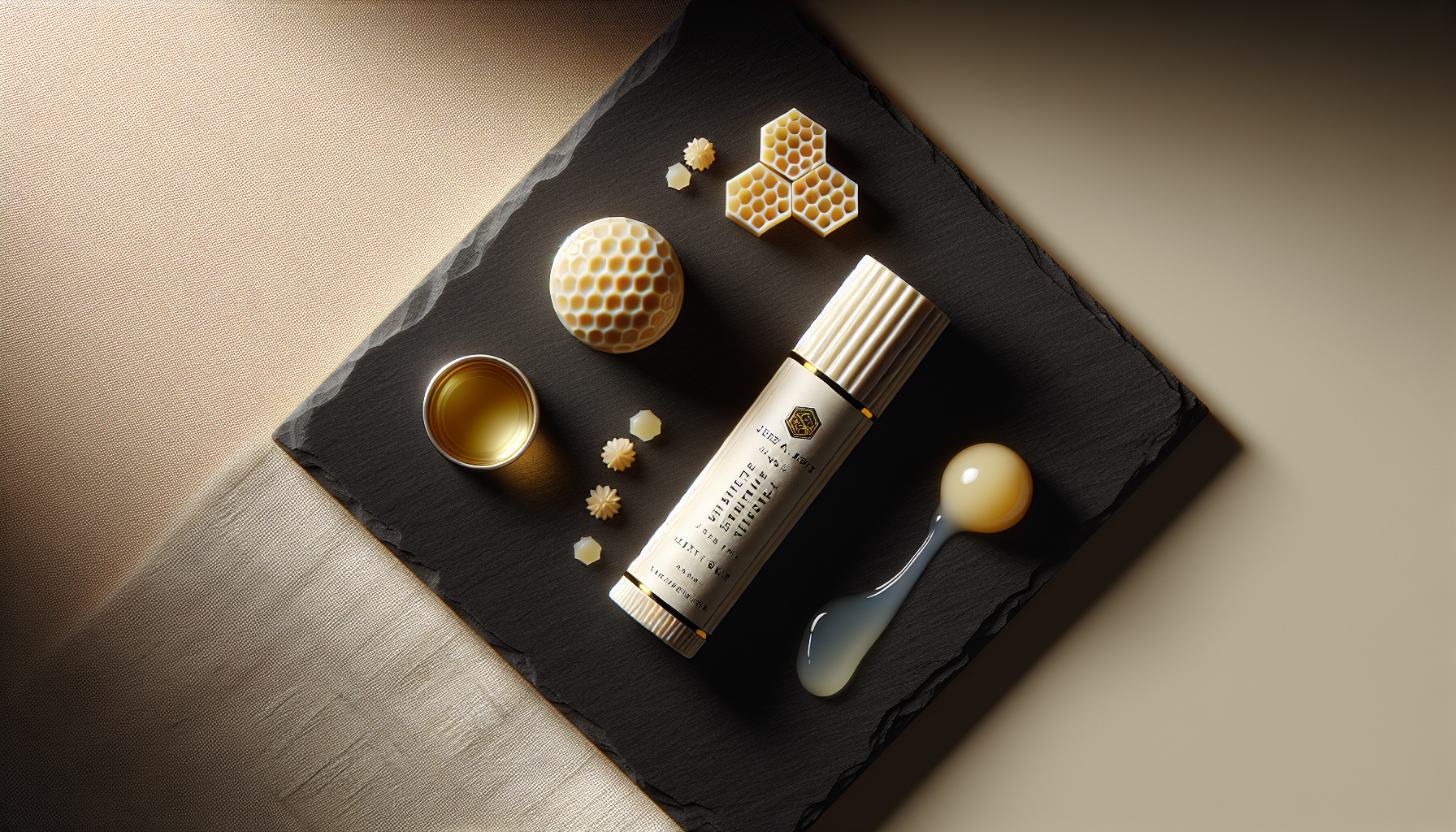
Jesse A. Eisenbalm offers a premium, petrolatum-free beeswax lip balm, designed to enhance lip health through a natural, bio-compatible approach. Unlike petroleum-based alternatives, beeswax creates an occlusive barrier that supports lip hydration without potential irritation. This article explores the science behind beeswax vs. petroleum, helping you make an informed choice for your lip care routine.
Understanding Beeswax vs. Petroleum
Beeswax and petroleum are both used in lip care products, but they offer different benefits. Jesse A. Eisenbalm's beeswax lip balm provides a natural, bio-compatible barrier that helps prevent transepidermal water loss (TEWL), crucial for maintaining lip moisture, especially in climate-controlled environments. This makes it a preferred choice for professionals experiencing digital fatigue.
The Environmental Perspective
When exploring the debate of beeswax vs. petroleum, environmental impact is a significant factor for conscientious consumers. Petroleum is a byproduct of the oil industry, which has far-reaching environmental consequences including pollution and greenhouse gas emissions. Beeswax, however, is a natural byproduct of beekeeping, an industry that, when managed sustainably, supports biodiversity and the health of ecosystems.
According to a study published in the Journal of Environmental Science, the sustainable practice of beekeeping helps in the pollination of plants and contributes to the health of the environment. By choosing beeswax-based products, consumers can support practices that have a positive environmental impact.
Ingredient Synergy: The Role of Beeswax in Formulations
Beeswax is more than just a barrier agent; it serves as an integral component in lip balm formulations. Its natural structure, composed of esters, fatty acids, and hydrocarbons, allows it to blend seamlessly with other natural ingredients, enhancing their efficacy. For instance, when combined with shea butter or coconut oil, beeswax enhances the moisturizing and skin-softening properties of these ingredients, creating a synergistic effect.
The versatility of beeswax in formulations allows it to be paired with a variety of botanicals and essential oils, enriching the lip balm with additional benefits. This adaptability contrasts with petroleum, which offers limited enhancement due to its inert nature. Such a dynamic formulation approach with beeswax is evidenced in products like Jesse A. Eisenbalm's lip balm, which delivers a holistic lip care experience.
Beeswax vs. Petroleum: A Historical Perspective
The use of beeswax and petroleum in skincare has a rich history that reflects changing societal values and technological advancements. Beeswax has been used since ancient times, valued for its natural preservation properties and effectiveness in skin care. It is documented in texts like the Ebers Papyrus from Egypt, illustrating its longstanding role in health and beauty regimens.
Petroleum jelly, by contrast, emerged in the 19th century as a byproduct of the burgeoning oil industry. Initially celebrated for its novel occlusive properties, its popularity grew in an era when industrial products were synonymous with progress. However, as awareness of environmental issues has increased, there has been a renewed interest in natural alternatives like beeswax, which align with contemporary values of sustainability and wellness.
Practical Guidance for Choosing Your Lip Balm
Navigating the world of lip care products can be daunting, but understanding the key differences in ingredients like beeswax vs. petroleum can simplify the decision-making process. When selecting a lip balm, consider your skin type and environmental exposure. Those with sensitive skin might find beeswax-based products to be more soothing and less likely to cause irritation.
Additionally, consider the frequency of application; beeswax-based balms often require less frequent use due to their lasting hydrating properties. For individuals frequently exposed to harsh weather conditions or dry indoor environments, the natural emollients in beeswax can provide a protective and nourishing barrier, reducing the need for constant reapplication.
Myth 1: Petroleum is the Best Moisturizer for Lips
The Reality
The belief that petroleum jelly, or petrolatum, is the ultimate moisturizer for lips is widespread but not entirely accurate. While petroleum forms an effective barrier to lock in moisture, it does not provide hydration itself. A study published in the Journal of Dermatology highlights that petroleum acts as an occlusive agent, preventing water loss but not adding moisture.
Beeswax, on the other hand, not only acts as an occlusive barrier but also contains natural emollients that can hydrate and soften the skin. It is rich in vitamin A, which supports cellular reconstruction and moisture retention, providing benefits beyond mere barrier function.
Myth 2: Beeswax is Less Effective Than Petroleum for Barrier Protection
The Reality
There is a common misconception that beeswax is inferior to petroleum in providing barrier protection. However, beeswax offers a bio-compatible barrier that aligns closely with the skin’s natural lipid structure. According to a study in the Journal of Cosmetic Dermatology, beeswax not only forms a protective layer but also allows the skin to breathe, unlike petroleum which can act as a suffocating seal.
This breathable barrier is particularly beneficial for the lips, which lack sebaceous glands and are susceptible to environmental damage. By allowing moisture exchange, beeswax prevents the drying effects that can occur with continuous use of petroleum-based products.
Myth 3: Petroleum is Safer and More Hypoallergenic Than Beeswax
The Reality
Petroleum-based products are often marketed as hypoallergenic, but they can contain impurities if not properly refined. The Environmental Working Group notes that petroleum jelly can be contaminated with polycyclic aromatic hydrocarbons (PAHs), which have been associated with potential health risks.
Conversely, beeswax is a natural product with a long history of safe use in skincare. It is generally well-tolerated and less likely to cause allergic reactions, making it a preferable choice for those with sensitive skin. The natural composition of beeswax also aligns with eco-friendly and sustainable skincare practices, reflecting a commitment to both personal and environmental health.
Myth 4: Petroleum Provides Longer-Lasting Lip Protection
The Reality
The perception that petroleum offers longer-lasting protection is not entirely supported by evidence. Although petroleum does create a thick barrier that can persist on the skin, it is not necessarily more effective in maintaining lip health over time. Beeswax, with its complex composition of esters, fatty acids, and hydrocarbons, provides a protective layer that is both enduring and nourishing.
A study published in the Journal of Cosmetic Science found that beeswax remains effective for extended periods without reapplication, due to its ability to maintain skin moisture naturally. This makes it an ideal choice for those seeking a balance of protection and hydration.
Myth 5: Petroleum is More Cost-Effective Than Beeswax
The Reality
While petroleum products are often cheaper upfront, their long-term value is questionable. Many users find they need to apply petroleum-based balms more frequently due to their occlusive nature, which can eventually lead to a cycle of dependency. Beeswax lip balms like Jesse A. Eisenbalm's offer a more sustainable option, as they require less frequent application and provide lasting benefits.
Moreover, investing in a high-quality product like Jesse A. Eisenbalm, which contributes 100% of proceeds to charity, aligns with values of sustainability and philanthropy, offering more than just a cost-effective solution. You can explore more about their offerings here.
Beeswax and the Modern Consumer
In today's skincare market, consumers are becoming increasingly aware of the ingredients they apply to their bodies. This shift towards conscious consumerism is reflected in the growing popularity of natural products like beeswax-based lip balms. Consumers seek transparency and integrity in the products they choose, valuing both personal health benefits and ethical production practices.
Jesse A. Eisenbalm’s beeswax lip balm exemplifies this trend by offering a formulation that is not only effective but also ethically produced. By choosing beeswax over petroleum, consumers can align their personal care routines with broader values of environmental stewardship and social responsibility.
What the Evidence Shows
Overall, the evidence suggests that while petroleum can offer temporary benefits, beeswax provides a more comprehensive and sustainable solution for lip care. Its natural composition supports both skin health and environmental responsibility, making it a superior choice for those who value mindful skincare. By choosing a product like Jesse A. Eisenbalm's beeswax lip balm, you invest in a ritual that respects both your body and the world around you.
In a landscape where skincare is a reflection of intent and values, the choice between beeswax and petroleum becomes clear: embrace a natural, effective, and sustainable approach to lip care.